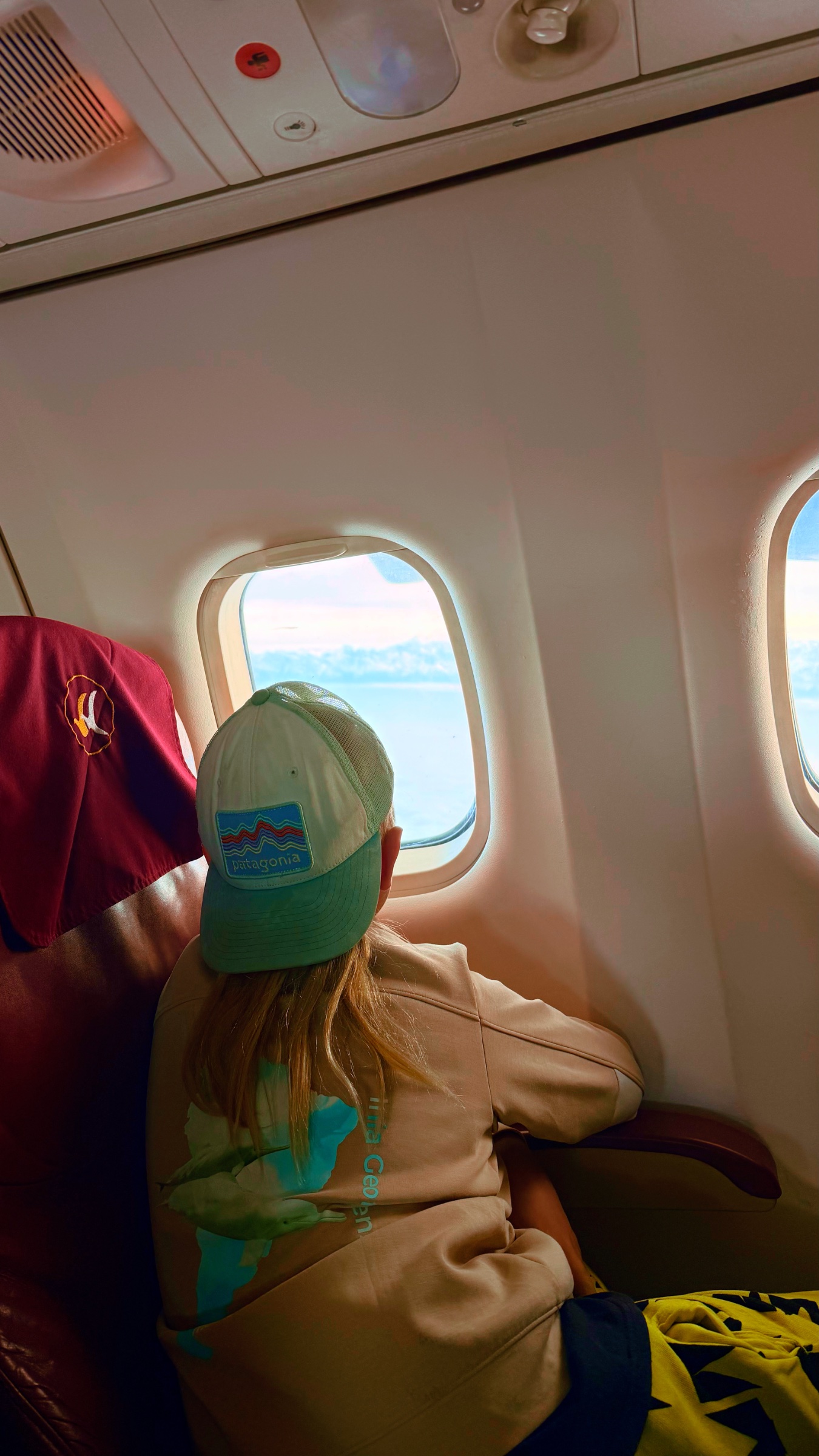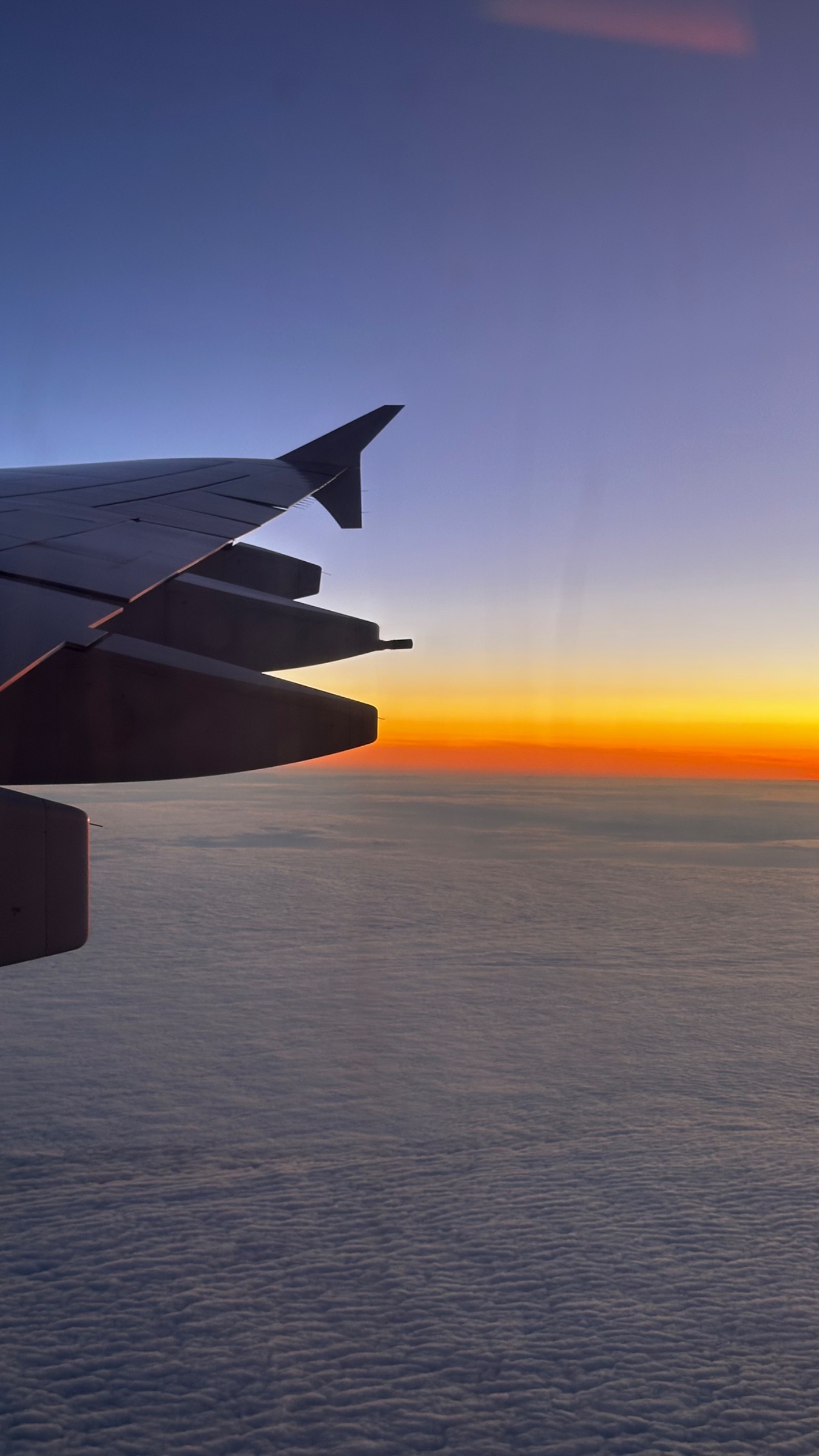
One of the biggest things travel families end up debating is fast travel vs slow travel, and honestly, we’ve changed our minds about it about ten times already.
Before we left the UK, we had this idea that slow travel was the “right” way to do long-term family travel. Stay in one place for months, settle into routines, become locals somewhere, spend less money, live this calm balanced life where everyone drinks smoothies and reads books by the pool.
Then we actually started travelling.
Turns out sometimes slow travel is brilliant, and sometimes after three weeks you’re staring at the same supermarket wondering why you’re suddenly annoyed by an entire country because the WiFi keeps cutting out and the nearest decent park is a 40-minute Grab ride away.
Fast travel can be exhausting too. Ferry days, packing cubes everywhere, pretending you definitely know where you’re going while dragging backpacks through a train station in 36 degree heat. But it’s also exciting in a way that slower travel sometimes isn’t.
For us, neither one “wins”. The balance is what’s worked.
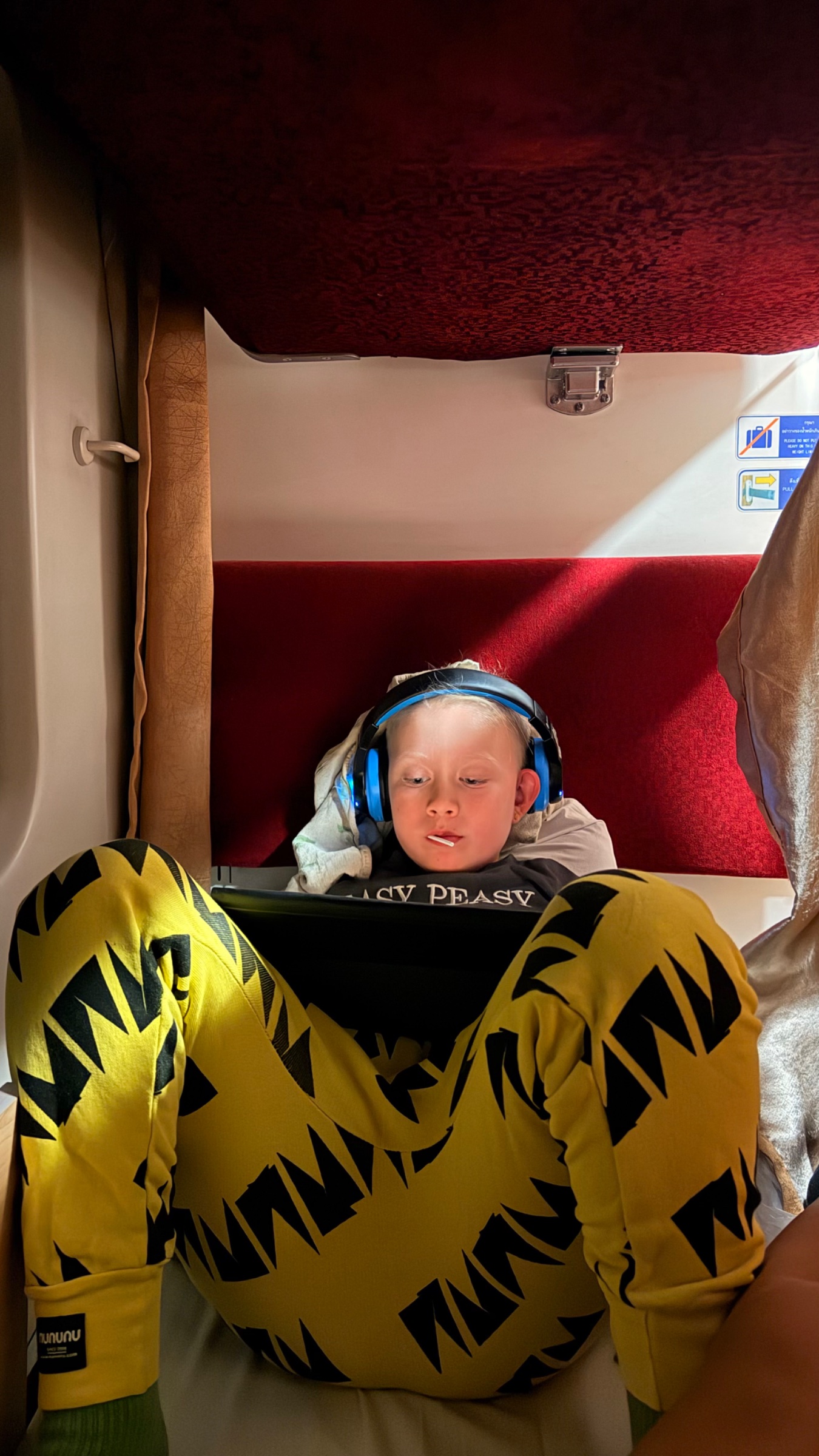
Night train from Chiang Mai to Bangkok
There’s no getting around it, slow travel is usually cheaper.
The longer you stay somewhere, the cheaper accommodation gets. Monthly apartment discounts make a massive difference, especially as a family. Daily spending drops too because you stop doing tourist-mode spending every day. You’re not constantly paying for transport, attraction tickets, airport food and overpriced teas.
When we stayed in Bangkok for two months after Morocco, it felt like our nervous systems finally caught up with us a bit.

We had routines again. Jax had favourite places. We found supermarkets we liked. We weren’t constantly unpacking and repacking. We could actually focus on schooling properly instead of squeezing maths where we could.
The same thing happened during our stay in Penang. After weeks of moving around, it was exactly what we needed.
We found an apartment we genuinely loved, great location, proper gym, decent pool, enough space that none of us felt trapped on top of each other. We also got it for an absolute steal because we stayed longer.

That time gave us space to properly work too. We could focus on building a passive income, catch up on editing, sort logistics for the next few months and socialise a bit again, both for Jax and honestly for us too. Long-term travel can get strangely isolating sometimes if you move constantly.
But slow travel also comes with pressure.
If you commit to somewhere for one or two months, you really need to choose well. Is there enough nearby? Is it walkable? Is there decent food? Can your family actually picture everyday life there or are you only imagining the highlights reel version of it?
Because once you’ve signed for six weeks in an apartment, you’re staying.
We genuinely love fast travel too, as we this is how we've always travelled.
There’s something really fun about waking up and deciding you might leave tomorrow because you’re just not vibing with a place. Or accidentally finding somewhere you love and extending because nothing else is locked in.
That flexibility is hard to beat.
Our Morocco road trip at the start of this whole thing was six weeks of absolute chaos, but in the best way. We moved constantly because we knew we had limited time and wanted to see as much as possible.
Some days were brilliant. Some were exhausting. Some involved driving far longer than Google Maps claimed was humanly possible.
But we saw everything we wanted to see and it taught us very quickly how we like to travel as a family.
Fast travel also works really well when your time somewhere is limited. If you’ve only got a few weeks in a country, sitting in one apartment the entire time probably isn’t going to make sense.
The downside is the regret factor.
Nepal was probably the clearest example of that for us.

We arrived there straight after India, completely overstimulated already and honestly not very prepared for Nepal at all. We hadn’t really sat down and looked into it properly because India had been so full-on.
Within about 12 hours of being in Kathmandu, we knew we’d made a mistake booking onward flights so quickly.
Not because we hated fast travel, but because Nepal immediately felt like somewhere we wanted more time in. Slower mornings. Less pressure. Space to properly take it in.
But that’s the reality of moving fast sometimes. You don’t always know somewhere is going to click until you’re already there checking flight prices wondering if changing everything is financially irresponsible.
Usually the answer is yes.
What’s worked for us is mixing both styles together.
Six weeks road-tripping Morocco. Two months in Bangkok. One month based in the south of Sri Lanka, then four weeks moving around the rest of the country. Two weeks doing turtle conservation. Six more weeks of fast travel after that. Then seven weeks slowing right down again in Penang and then moving on for fast travel.
That balance has been the sweet spot for us.
By the time we’re tired of moving around, we slow down. By the time we start feeling too settled, we move again.
As we’re writing this, we’re about to head into probably our biggest stretch of fast travel yet, five weeks exploring more of Malaysia, maybe Singapore too, before heading to Japan with absolutely no fixed timeline after that.
Which feels slightly irresponsible and also exactly how we like travelling now.
We’ve realised there probably isn’t a perfect version of long-term travel. There’s just the version that works for your family at that moment.
Sometimes that’s six weeks living out of backpacks and eating convenience store dinners on trains.
Sometimes it’s staying still long enough that the café staff start remembering your coffee order.